CARRIER
Coronary ARtery disease: Risk estimations and Interventions for prevention and EaRly detection – a Personal Health Train project
CARRIER targets detection and primary and secondary prevention of coronary artery disease (CAD) with a regional alliance of clinicians, citizens, legal experts, and data scientists collaborating on research of big data-driven, participative self-care interventions.
CAD is the most common cardiovascular disease and one of the leading causes of deaths and disability. Strong clinical evidence exists for the benefit of physical activity, healthy diet, and cessation of nicotine use. However, only a minority of citizens participate in rehabilitation programs to prevent CAD. Internet and smartphone-based self-care offers a wider reach for such interventions.
CARRIER will combine clinical big data from different sources (hospitals and general practitioners) with socio-economic big data and artificial intelligence to build models that will drive detection and prevention of CAD with an intervention delivered via an electronic multimedia gamified lifestyle coach (eCoach). A prognostic model will help identify patients at increased risk (primary prevention) that along with patients with CAD (secondary prevention), will form the target population. The participants, together with clinicians, will co-create a personalised health management plan, and they will be supported by the eCoach to adhere to it. The use of the eCoach will generate data on the participants’ lifestyle that will feed and validate a predictive model to estimate the personalised benefit of lifestyle changes. This will inform clinicians and will affect the behaviour of the eCoach.
CARRIER will offer valuable insights into the effectiveness of eCoach-supported self-care for CAD and the value of clinical and socio-economic data in early detection of CAD.
This is a grant from the Dutch Research Council (NWO); COMMIT2DATA grant (628.011.212).
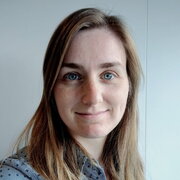
The Project Lead

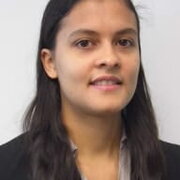
The Team







Partners
- Academisch Ziekenhuis Maastricht, Maastricht, The Netherlands
- Centraal Bureau voor de Statistiek, Maastricht, The Netherlands
- eScience Center, Amsterdam, The Netherlands
- Maastricht University, Maastricht, The Netherlands
- Maastro Clinic, Maastricht, The Netherlands
- Sananet Care B.V., Sittard, The Netherlands